


Migrating a high-volume legacy monolith to modern cloud infrastructure without taking customer-facing downtime is one of the most challenging feats in software engineering. Here is our battle-tested blueprint for incremental modernization using the Strangler Fig pattern.
1. The Fallacy of the “Big Bang” Rewrite
Attempting to rewrite an entire decade-old enterprise system from scratch and switch traffic overnight almost universally results in budget overruns, missed deadlines, and severe data regression. Instead, successful engineering teams employ an incremental strangler strategy.
2. The Strangler Fig Pattern in Practice
The core mechanism revolves around placing an intelligent reverse proxy (such as Cloudflare Workers, AWS ALB, or Envoy) in front of the existing legacy infrastructure:
- Edge Interception: Route 100% of traffic through the cloud gateway proxy.
- Slice by Domain: Carve out a single low-risk, high-value subsystem (e.g., Notification or Authentication).
- Shadow Traffic Verification: Replay read traffic simultaneously to both legacy and new cloud services, comparing byte-for-byte responses for discrepancies.
- Gradual Traffic Shifting: Shift 5%, 25%, 50%, and finally 100% of live traffic once canary metrics prove stable.
“The Strangler Fig pattern allows enterprise platforms to continuously modernize while maintaining uninterrupted business revenue and zero scheduled downtime.”
3. Zero-Downtime Data Synchronization
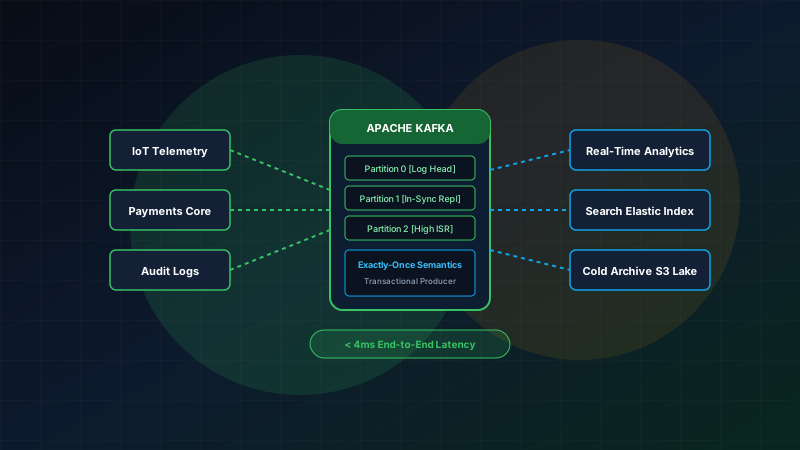
Maintaining data consistency across legacy on-premise relational databases and modern cloud-native databases (like AWS Aurora Serverless or DynamoDB) requires change data capture (CDC) pipelines via Debezium or Kafka Connect. Changes are streamed in near-real-time, ensuring zero data loss during the transitional phase.

Leave a Reply